
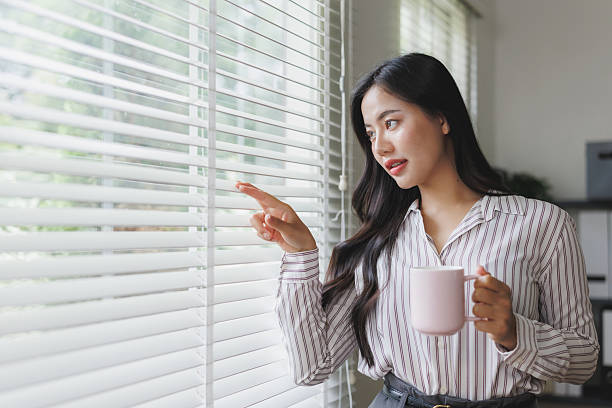
Choosing roller blinds sounds simple until you start looking at fabric samples. Blockout, sunscreen, translucent, sheer, double roller — they all look neat on a window, but they do very different jobs. The right fabric can make a bedroom darker, soften a bright living room, reduce glare on a laptop screen, or give you privacy without making the room feel closed in.
The mistake many homeowners make is choosing the colour first. Colour matters, but light control matters more. Before you pick a fabric, think about the room, the window direction, the time of day you use the space, and how much privacy you need.
Why Fabric Choice Matters in Australian Homes
Australian homes deal with strong sunlight, hot afternoons, glare, privacy concerns and changing seasonal comfort. The Australian Government notes that as much as 40% of a home’s heating energy can be lost through windows, and good curtains and blinds can help improve warmth and comfort. You can read the official advice.
That does not mean roller blinds will fix every temperature problem on their own. External shading, glazing, insulation and window direction all matter too. But fabric selection is still one of the easiest ways to improve how a room feels day to day.
For example, a west-facing living room may not need total darkness, but it probably needs glare control in the afternoon. A bedroom may need privacy and better darkness for sleep. A kitchen may need natural light without harsh sun across the bench.
The Main Roller Blind Fabric Types
Blockout Fabric
Blockout fabric is made to stop light from passing through the blind. It is the best choice for bedrooms, nurseries, media rooms and any room where privacy is important at night.
Blockout does not mean the room will be completely pitch black. Small light gaps can still appear around the sides, especially if the blind sits inside the window frame. For better darkness, many people choose face-fit installation, side channels, or layer blockout blinds with curtains.
Best for: sleep, privacy, shift workers, nurseries, TV rooms.
Watch out for: side light gaps and rooms where you still want daytime softness.
Sunscreen Fabric
Sunscreen fabric filters sunlight while keeping some view to the outside during the day. It is popular in living rooms, offices, dining areas and large windows where glare is the main issue.
The openness factor matters. A lower openness fabric blocks more view and more light. A higher openness fabric gives a clearer view but allows more brightness through. Sunscreen blinds are great during the day, but they do not provide strong night privacy when lights are on inside.
Best for: glare control, daytime comfort, views, large windows.
Watch out for: weak night-time privacy.
Translucent Fabric
Translucent fabric sits between sunscreen and blockout. It lets natural light in but does not usually allow a clear view through. This makes it useful for living rooms, bathrooms, hallways and spaces where you want privacy without making the room dark.
It creates a softer look than blockout and feels less technical than sunscreen. If your room feels too bright but you do not want a heavy finish, translucent fabric can be a good middle option.
Best for: soft light, daytime privacy, calm interiors.
Watch out for: not enough darkness for bedrooms.
Sheer Fabric
Sheer fabric is more about atmosphere than strong light control. It softens the room and adds a light, airy feel. On its own, it may not give enough privacy or glare reduction, but it can work well as part of a layered window treatment.
Best for: decorative softness, layered designs, gentle daylight.
Watch out for: limited privacy and heat control.
Quick Fabric Comparison
| Fabric Type | Light Control | Privacy | Best Rooms | Main Limitation |
| Blockout | Very high | High, especially at night | Bedroom, nursery, media room | Can feel too dark in living spaces |
| Sunscreen | Medium | Good by day, low at night | Living room, office, dining area | Not ideal for night privacy |
| Translucent | Medium-high | Good, without total darkness | Bathroom, hallway, living area | Not suitable for full darkness |
| Sheer | Low-medium | Limited | Decorative spaces | More style than function |
| Double Roller | Flexible | Depends on fabric combination | Bedrooms, living rooms, apartments | Costs more than a single blind |
Room-by-Room Guide
Bedroom
Choose blockout. If sleep quality is the goal, do not compromise here. For children’s rooms or street-facing bedrooms, also consider motorised or safer control options. In Victoria, rental properties must now have secured cords on internal window coverings, which shows how important blind safety has become in everyday homes.
Living Room
This is where sunscreen or translucent fabric usually works best. You may want to keep the room bright but stop glare from hitting the TV or lounge area. If the living room faces west or has large glass doors, a double roller system can give you sunscreen by day and blockout by night.
Home Office
Glare is usually the biggest problem. Sunscreen fabric is often the most practical choice because it reduces harsh light while keeping the room open and comfortable. If video calls are part of your day, think about how the fabric changes the background lighting.
Bathroom and Laundry
Privacy matters, but total darkness usually does not. Translucent fabric can work well, provided the material is suitable for moisture-prone areas. Good ventilation is still important.
Common Mistakes When Choosing Roller Blind Fabrics
Choosing Based Only on Colour
A beautiful colour will not help if the fabric does the wrong job. Always choose the function first, then pick the colour and texture.
Expecting One Fabric to Do Everything
One fabric rarely gives perfect glare control, night privacy, views and full darkness. If you need flexibility, double roller blinds are often worth considering.
Ignoring Window Direction
North, east, south and west-facing windows behave differently. West-facing rooms often need stronger afternoon sun control. South-facing rooms may need privacy and softness more than heat protection.
Forgetting Installation Style
Inside-fit blinds look clean, but they may allow more light gaps. Face-fit blinds cover more of the window area and can improve privacy and darkness.
Final Thoughts
The best fabric is not the most expensive one. It is the one that matches how you actually use the room. If you want better sleep, choose blockout. If you want glare control and a view, choose sunscreen. If you want soft natural light with privacy, choose translucent. If you want flexibility, layer fabrics with a double roller system.
When you choose custom roller blinds, you are not just choosing a window covering. You are choosing how light, privacy and comfort work in your home every day. For tailored advice, fabric samples and made-to-measure installation, speak with Circle Curtains and find the right custom roller blinds for your space.