
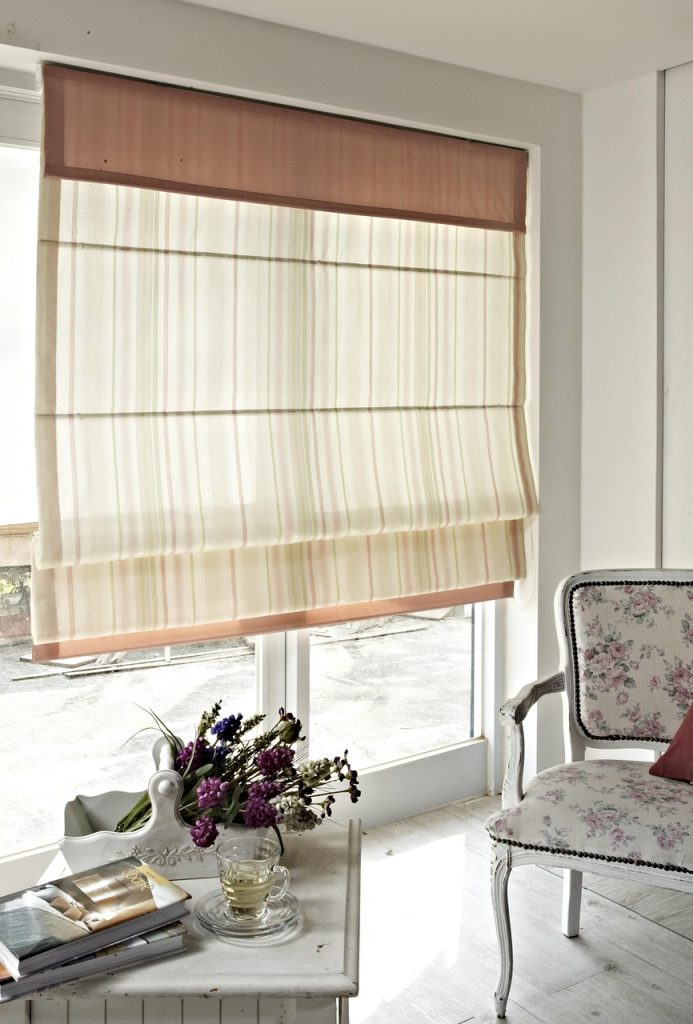
Roman blinds are having a quiet comeback in Australian homes, and it is not hard to see why. They sit neater than curtains, feel softer than roller blinds, and work well in rooms where you want fabric texture without a lot of bulk around the window.
Recent window furnishing trends also point in the same direction. Luxaflex Australia named fabric focused Roman blinds as one of the key window treatment trends for 2026, highlighting relaxed folds, soft textures and semi sheer options that filter natural light into living rooms, dining spaces and bedrooms. At the same time, Australian Government backed YourHome guidance continues to place window design and shading within the broader conversation around comfort, heat control and energy efficient homes.
But once you start shopping, one question comes up quickly: which fold style should you choose? Standard, soft and European folds all look different, and the right choice depends on the room, the fabric, the amount of light you want and how formal or relaxed the space should feel.
Why Roman Blind Fold Style Matters
The fold style changes more than appearance. It affects how the blind stacks when raised, how flat it looks when lowered, how much fabric movement you see, and whether the room feels structured or relaxed.
This is why two blinds made from the same fabric can still look completely different. A standard fold may feel crisp and modern, while a European fold in the same fabric can look softer and more decorative. Before choosing colours or patterns, it is worth thinking about the mood of the room first.
For homeowners comparing custom roman blinds, the fold style is often the detail that makes the finished result feel properly matched to the space.
Standard Roman Blind Folds
Standard Roman blinds are the most structured option. When lowered, the fabric sits in clean horizontal sections. When raised, the blind folds into neat, even layers at the top of the window.
This style works well in homes where you want a simple and tidy finish. It suits modern apartments, studies, kitchens, children’s rooms and bedrooms where function matters as much as softness.
Best Rooms for Standard Folds
Standard folds are a practical choice for bedrooms because they pair well with blockout lining. If you want to reduce early morning light, improve privacy and keep the room looking uncluttered, this fold style is usually a safe option.
They also work well in home offices. A very decorative fold can sometimes feel distracting in a workspace, while a standard Roman blind gives you texture without too much visual movement.
Common Mistake
A common mistake is choosing a heavy patterned fabric and expecting a very sharp, flat result. Standard folds are clean, but fabric still has body. If the pattern is large, the horizontal folds may interrupt the design when the blind is raised. For bold prints, ask how the fabric will sit across each fold before ordering.
Soft Roman Blind Folds
Soft Roman blinds are more relaxed. The fabric has a gentler drape, and the folds do not feel as rigid. They are often used with linen look, cotton blend, textured or semi sheer fabrics, especially in living rooms and calm bedrooms.
This style suits the current move toward warmer, softer interiors. Nicholls Interiors’ 2026 window covering trend report also points to Australian homes leaning into earthy tones, layered sheers, textured blinds and softer window treatments, which is exactly where soft Roman folds fit naturally.
Best Rooms for Soft Folds
Soft folds are ideal for living rooms, guest bedrooms, nurseries and reading corners. They make a room feel more lived in and less formal, especially when paired with timber floors, neutral walls, natural stone or soft furnishings.
If your room already has sharp lines, such as square furniture, built in cabinetry or minimal styling, soft folds can stop the space from feeling too hard.
Common Mistake
Soft folds are not always the best choice if you want a very dark room. They can still be lined, but the relaxed fabric movement means the finished look may not feel as sealed or structured as a standard fold with blockout lining. For a main bedroom, it is worth balancing the soft look with practical light control.
European Roman Blind Folds
European Roman blinds are the most decorative of the three. Instead of sitting completely straight across the bottom, they usually have a softer curve or swag like fall. The effect is more romantic and more detailed.
This fold style suits rooms where the blind is part of the design, not just a practical covering. Think master bedrooms, formal dining rooms, heritage homes, bay windows, sitting rooms or spaces with classic furniture.
Best Rooms for European Folds
European folds can look beautiful in rooms with higher ceilings, decorative cornices, wall panelling or elegant furniture. They are also useful when you want the softness of curtains but do not have the space for full length drapes.
They work especially well with plain textured fabrics because the fold itself becomes the feature. If the fabric is too busy, the curve and the pattern may compete with each other.
Common Mistake
The biggest mistake is using European folds in a room that needs a very minimal look. In a small modern apartment or narrow window, this style can feel too decorative. It needs a little breathing room to look intentional.
Quick Comparison Guide
| Fold Style | Best For | Look and Feel | Watch Out For |
| Standard Roman Fold | Bedrooms, studies, kitchens, modern homes | Clean, neat, structured | Large patterns may be broken by folds |
| Soft Roman Fold | Living rooms, nurseries, relaxed bedrooms | Warm, casual, fabric rich | May not feel as crisp for full blockout needs |
| European Roman Fold | Formal rooms, master bedrooms, heritage homes | Elegant, decorative, softer curve | Can feel too detailed in very minimal spaces |
Fabric Choice Can Change Everything
Fold style and fabric should be chosen together. A linen look fabric can make a soft fold feel relaxed and airy. A thicker blockout fabric can make a standard fold feel more tailored. A plain textured fabric can help a European fold look elegant without becoming too busy.
Colour also matters. Light neutrals make folds more subtle. Darker fabrics make every fold line more visible. If the window gets strong afternoon sun, lining and fabric durability should also be part of the decision, not an afterthought.
This is where made to measure roman blinds are useful. Instead of choosing a style from a small sample photo, you can match the fold, fabric, lining and window size to the way the room is actually used.
Which Fold Should You Choose?
For most modern bedrooms, standard Roman folds are the easiest choice because they are tidy, functional and good for privacy. For living areas, soft folds often feel more natural because they add warmth without looking heavy. For formal spaces or feature windows, European folds can create a more designed finish.
A simple way to decide is to ask yourself what the room needs most. If it needs order, choose standard. If it needs softness, choose soft. If it needs character, choose European.
Final Thoughts
Roman blinds are not just a smaller version of curtains. The fold style changes the whole mood of the room. Standard folds give structure, soft folds bring warmth, and European folds add decorative detail. The best choice is the one that suits how you live in the room every day, not just how the window looks in a showroom photo.
For tailored advice on fabric, lining and fold style, contact us to explore custom Roman blind options for your home.